Wheel nut and stud replacement
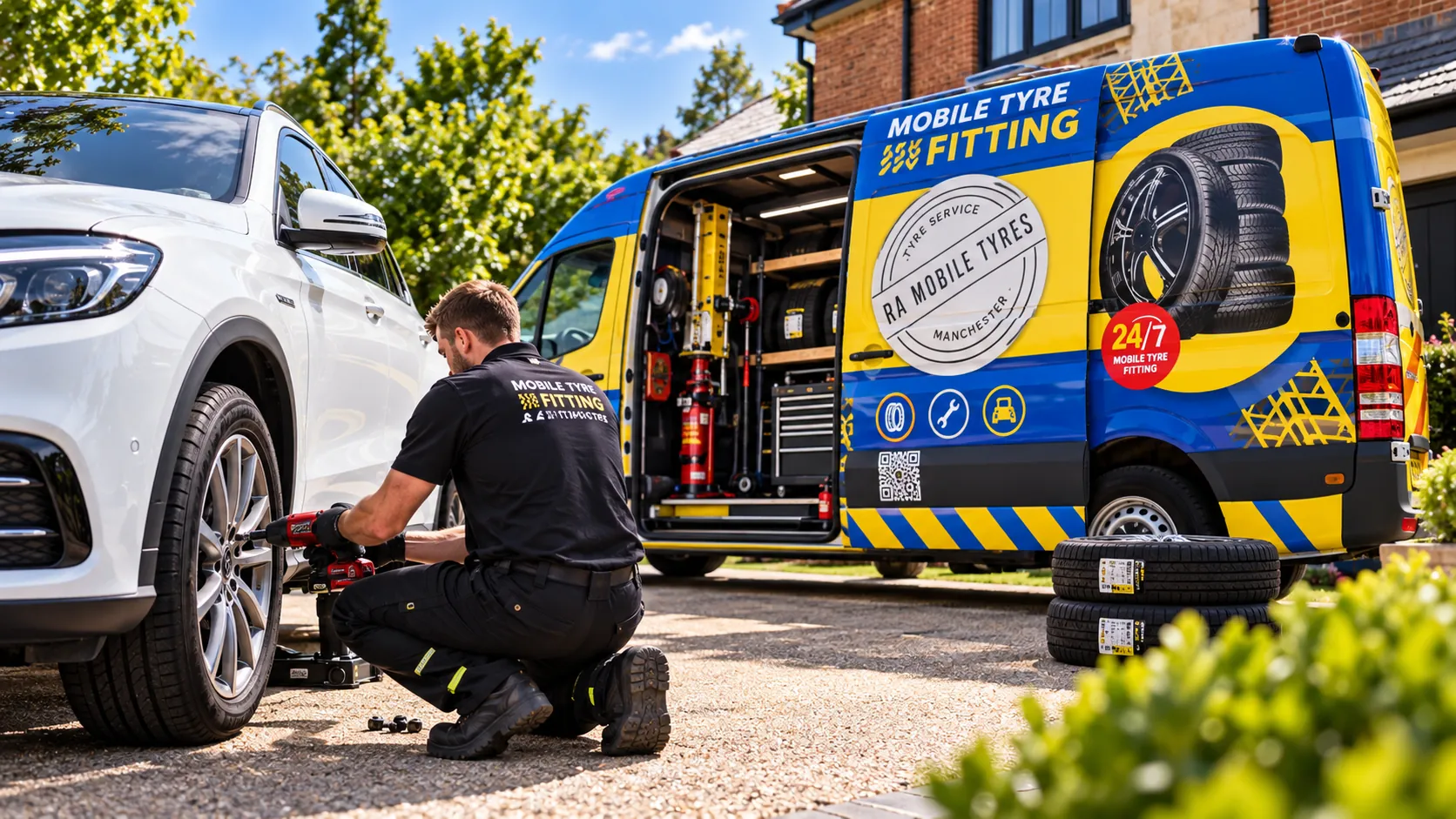
Rounded-off, seized or stripped wheel nuts and broken studs are a safety problem. We replace them where the car is parked and refit the wheel properly.
Signs of a problem
- A wheel nut that is rounded off, rusted or will not turn.
- A stud that snapped or has a damaged thread.
- A knocking or clunking from a wheel, or a nut that keeps coming loose.
- Missing nuts after a recent wheel change.
A loose wheel is dangerous. If you think a wheel is loose, stop driving and call us.
What we do
We remove the damaged nut or stud, fit new parts that match your car, and refit the wheel with the nuts tightened to the correct torque. If a nut is locked, see locking wheel nut removal.
Why nuts and studs fail
- Corrosion
- Rust and road salt can seize a nut onto its stud, so it rounds off when someone tries to turn it.
- Over-tightening
- Nuts tightened too hard, often with an air tool, can stretch a stud or strip its thread.
- Cross-threading
- A nut started at an angle damages the thread on the stud and the nut.
- Repeated wheel changes
- Studs and nuts wear over years of use, especially if they are not cleaned and checked.
Wheel nut and stud questions
Is it safe to drive with a damaged wheel nut?
If a nut is missing or loose, no. Do not drive on a wheel you think is loose. Call us and we will come to you.
Do you replace all the nuts or only the damaged one?
It depends on their condition. If several are rusted or worn, replacing the set is the sensible option, and the fitter will tell you.
Should wheel nuts be checked after a wheel change?
It is commonly advised to re-check the tightness after a short drive following any wheel change. Ask the fitter what is sensible for your car.
Can you do it at the roadside?
Yes, where it is safe to work. If not, we will say so and suggest the best option.