Tyre pressure check and safety inspection
Correct pressure is the cheapest way to make tyres last and the car safer. We set your pressures and look over every tyre for damage and wear.
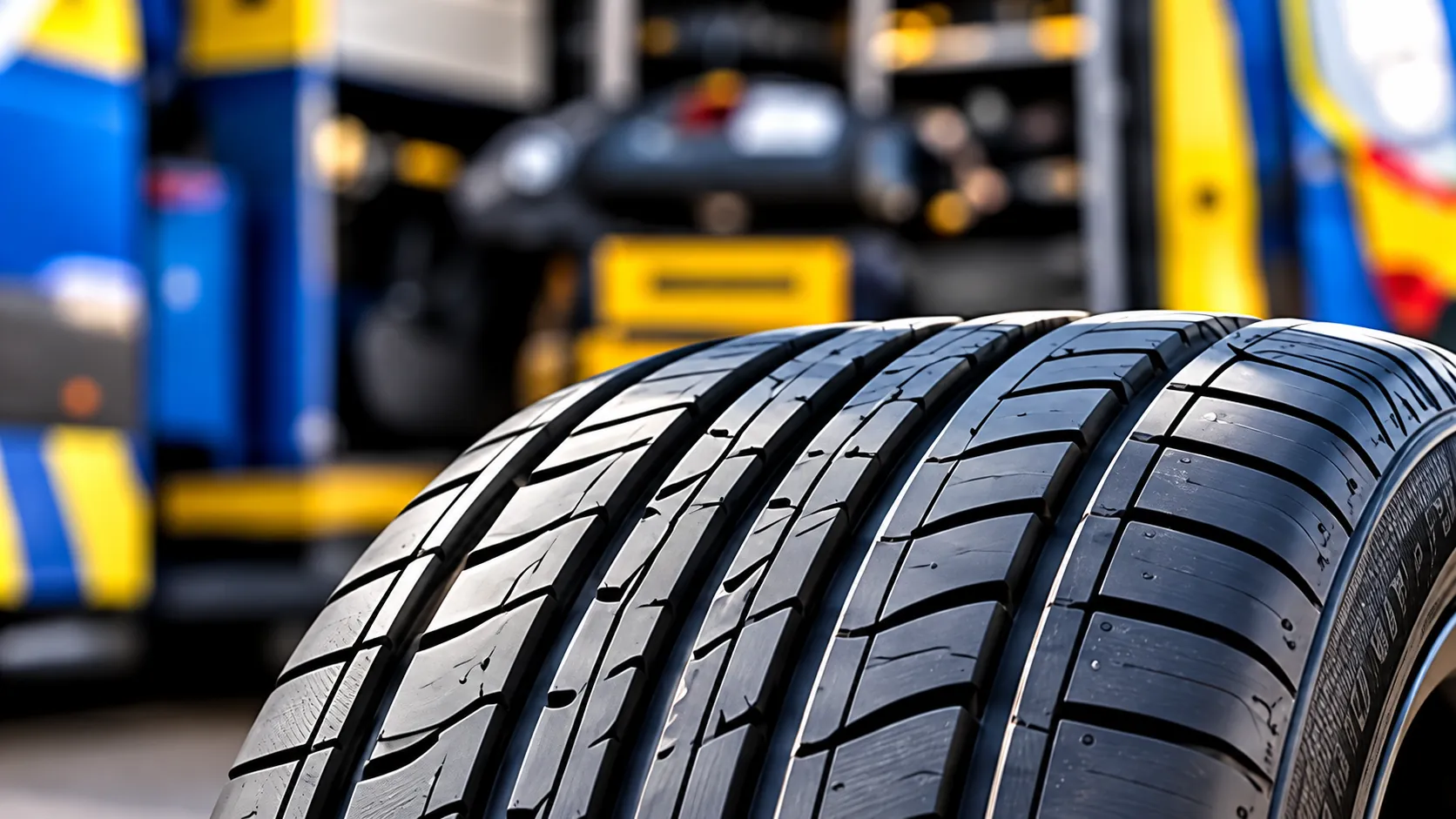
What we check
- Pressure
- Each tyre set to the figure for your car and load, spare included where you have one.
- Tread depth
- The legal minimum in the UK is 1.6mm across the central three quarters of the tread. We tell you how much life is left.
- Damage
- Cuts, bulges, cracking and objects in the tread, which are easy to miss from above.
- Wear pattern
- Uneven wear points to pressure, alignment or balance problems.
Why it matters
Under-inflated tyres wear faster, use more fuel and handle badly. Over-inflated tyres grip less. Pressures drop slowly over time, so check them regularly. Our guides cover how often to check and what pressure to use.
Finding the right pressure
The correct figure is set by the car maker, not printed on the tyre. Look in the handbook or on a sticker, usually inside the driver's door frame or on the fuel filler flap. It often gives different figures for a light load and a full load.
Pressures are best checked when the tyres are cold, because driving warms the air inside and raises the reading.
Tyre pressure and tread questions
Does the tyre pressure warning light mean a tyre is flat?
It usually means one or more tyres has dropped below the set pressure. On some cars a light that flashes first and then stays on points to a fault in the system itself. Our TPMS sensor replacement page covers that case.
Is 1.6mm of tread enough?
It is the legal minimum, but braking distances in the wet get longer as tread wears. Many drivers choose to replace tyres before they reach it. Our guide to when to change tyres explains how to measure.
Do you check the spare?
Yes, where the car has one. A spare that has lost its pressure is no use at the roadside.
Can you do this at my home?
Yes. The fitter comes to your home, workplace or the roadside, anytime and anywhere.